How to Avoid These Costly Firestop Installation Errors
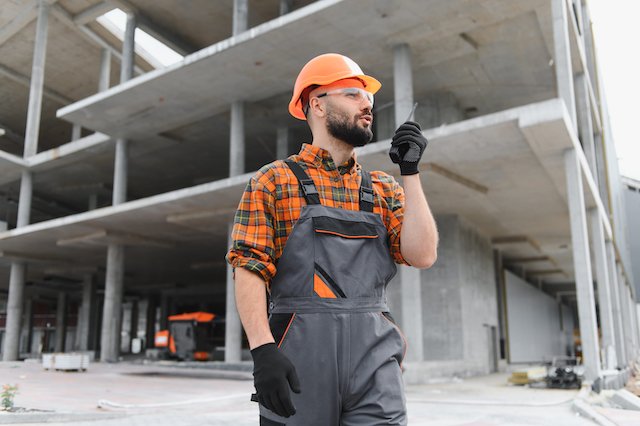
Firestop work is heavily inspected; even small errors can lead to failed inspections, costly repairs, and serious safety concerns.
Firestop installation is a critical part of commercial building safety, yet it is often handled by a variety of trades, including electrical, plumbing, drywall, and mechanical contractors. While multiple professionals may be qualified to install firestop systems, every installation must meet strict building and fire code requirements. Because firestop work is heavily inspected, even small errors can lead to failed inspections, costly repairs, and serious safety concerns.
Many common firestop installation mistakes are completely preventable when the work is performed by experienced professionals. At G&M Services, we understand the importance of proper firestop applications and code compliance for commercial properties. In this blog, we’ll cover some of the most frequent installation issues and explain how working with a knowledgeable firestop contractor can help protect your building and avoid unnecessary complications. Read on to learn more!
Using Unlisted or Unverified Firestop Products
Firestop materials are typically tested as part of complete systems developed and approved by manufacturers through certified testing laboratories. Using products that are not included in an approved firestop assembly can lead to failed inspections and potential code violations. For every penetration or joint application, the materials used must match the specifications of the listed firestop system to ensure proper performance. Failing to follow these approved systems can compromise the fire rating and overall integrity of walls, floors, and other fire-resistant assemblies within your building.
Improper Depth in the Installation Process
Firestop systems must be installed at the proper depth to meet testing standards and maintain the effectiveness of the fire-rated assembly. Joints and penetrations that lack the required amount of firestop material may fail to provide adequate protection during a fire. Inadequate depth, whether caused by improper installation or attempts to reduce costs, can easily be identified during inspections and may result in failed code compliance. More importantly, improperly installed firestop systems can place occupants and nearby areas at greater risk in the event of a fire. At G&M Services, our experienced team ensures that every firestop application is installed to the correct specifications for maximum safety and performance.
Incorrect Usage of Materials
Firestop materials are specifically engineered and tested for certain types of applications, which is why using the correct product is essential for code compliance and overall safety. Contractors must understand which firestop systems are approved for different penetrations and construction materials. For example, a firestop product designed for metal pipe penetrations should not be used around plastic piping, since it was not tested or certified for that application. Using the wrong kind of materials can compromise the effectiveness of the fire-rated assembly and lead to failed inspections or increased fire risks.
Revitalize Your Business with G&M Services
G&M Services is proud of our employees and the dedication they have for safety in the workplace. We reward our employees for displaying positive safety practices. We incorporate weekly and monthly discussions and meetings to ensure that all involved know how to handle equipment and potentially risky situations during a project. We offer services in the way of concrete core-drilling and sawing, concrete scanning, Air Barriers, Firestop, and BIM Project Management and Coordination. To get started with us, call today at 410-787-8828 or visit our contact page. Follow the official company page today on Facebook, Twitter, and LinkedIn.