How Clash Detection Improves Core Drilling Efficiency and Accuracy
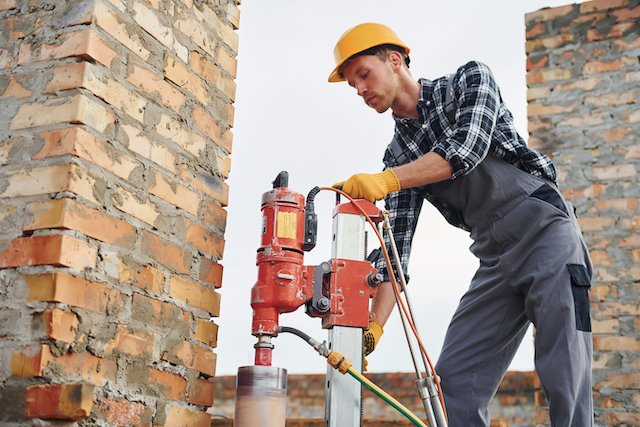
Core drilling contractors play a critical role in these updates by creating precise openings that allow electricians, plumbers, and other trades to install essential systems.
Building upgrades and renovations are a natural part of any structure’s lifecycle as technology advances and performance expectations continue to grow. Modern additions like high-speed data systems and advanced HVAC infrastructure require careful planning to integrate into existing buildings. Core drilling contractors play a critical role in these updates by creating precise openings that allow electricians, plumbers, and other trades to install essential systems. However, successful execution depends on coordination across all project teams. Building Information Modeling (BIM) combined with clash detection technology enables contractors to identify conflicts in advance and work collaboratively, ensuring smoother project execution with fewer delays and complications. Keep reading to learn more!
Usual Responsibilities of Your Core Drilling Contractors
Core drilling contractors play a key role in building upgrades by creating precise circular openings in concrete slabs. Using specialized equipment, they make space for essential systems such as plumbing lines, electrical wiring, and communication cables. These professionals collaborate closely with architects, general contractors, and other trades to determine exact drilling locations—and just as importantly, areas to avoid. Without proper planning, core drilling can interfere with existing structural elements or utilities, leading to costly damage. This is where Building Information Modeling (BIM) and clash detection become essential, helping teams identify potential conflicts before work begins.
How Clash Detection and BIM Help Core Drilling Contractors at Work
Building Information Modeling (BIM) involves creating highly detailed and accurate digital representations of a structure. Architects, engineers, and contractors use these models to coordinate their plans and ensure that different systems do not conflict with one another. When elements overlap or interfere within the model, these issues are identified as “clashes.” Clash detection is the process of locating and resolving these conflicts before they become costly problems. While it is most effective during the planning phase, clash detection can be applied at any stage of a project—even after construction has begun. By identifying any issues early and allowing for real-time adjustments, BIM and clash detection help streamline workflows and prevent disruptions across all areas of a construction project.
Revitalize Your Business with G&M Services
G&M Services is proud of our employees and the dedication they have for safety in the workplace. We reward our employees for displaying positive safety practices. We incorporate weekly and monthly discussions and meetings to ensure that all involved know how to handle equipment and potentially risky situations during a project. We offer services in the way of concrete core-drilling and sawing, concrete scanning, Air Barriers, Firestop, and BIM Project Management and Coordination. To get started with us, call today at 410-787-8828 or visit our contact page. Follow the official company page today on Facebook, Twitter, and LinkedIn.