The Role of Ground-Penetrating Radar in Modern Construction Projects
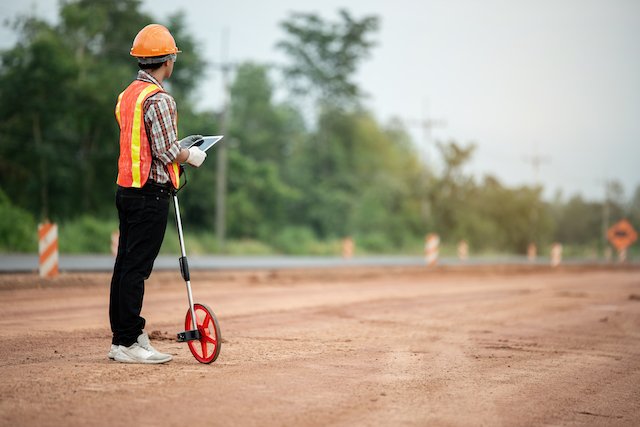
Ground-penetrating radar (GPR) is an advanced scanning technology that uses high-frequency radio signals to create detailed images of what lies beneath a surface.
Ground-penetrating radar (GPR) is an advanced scanning technology that uses high-frequency radio signals to create detailed images of what lies beneath a surface. At G&M Services, we provide professional GPR scanning services to help clients safely evaluate concrete and other materials before cutting or drilling begins. Our ground-penetrating radar scans can accurately identify rebar, post-tension cables, metal and plastic conduit, and other embedded elements within concrete slabs. We also offer 24/7 emergency GPR scanning for urgent situations where quick, reliable results are critical. With highly trained technicians and thousands of scans completed each year, G&M Services delivers dependable subsurface insights that help reduce risk, prevent costly damage, and keep projects moving forward safely. Read on to learn more!
Why Choose Ground-Penetrating Radar for a Project?
Ground-penetrating radar scanning delivers immediate, real-time insight into what lies beneath the surface. Once a GPR scan is completed, the field technician submits the collected data to a supervisor, who enhances and clarifies the imagery for accuracy. The finalized results are then reviewed by the structural engineer and shared with the client for informed decision-making. GPR scans can detect subsurface features up to 24 inches deep, operate without radiation, and provide a much safer alternative to X-ray scanning. Because the process is completely non-invasive, ground-penetrating radar is a solution for projects that require precise detection without disrupting existing concrete, soil, or surrounding landscaping.
How Does a Ground Penetrating Radar Detect Anomalies?
Ground-penetrating radar is a highly versatile scanning technology capable of identifying many materials beneath concrete surfaces. GPR scanning can locate metal and plastic conduits, rebar, and post-tension or stress cables embedded within concrete slabs. Using advanced imaging, it can also distinguish between concrete and surrounding natural materials below the surface. One of the key advantages of ground-penetrating radar is that it can be performed from a single side of a slab, eliminating the need for access to multiple areas and making it an efficient, non-invasive solution for construction and renovation projects.
Why People Should Use Ground-Penetrating Radar
Ground-penetrating radar offers several key advantages for construction and site evaluation projects. GPR scanning is a cost-effective, non-destructive method for surveying job sites before or during construction without the need for digging, excavation, or soil disruption. Because it can scan through various surfaces, valuable subsurface information is gathered while preserving the surrounding area. Additionally, ground-penetrating radar does not rely on radiation, making it safe for use in public environments and around occupied spaces. Its ability to quickly identify underground objects, utilities, and irregularities allows project teams to collect accurate data and make informed decisions with confidence.
Revitalize Your Business with G&M Services
G&M Services is proud of our employees and the dedication they have for safety in the workplace. We reward our employees for displaying positive safety practices. We incorporate weekly and monthly discussions and meetings to ensure that all involved know how to handle equipment and potentially risky situations during a project. We offer services in the way of concrete core-drilling and sawing, concrete scanning, Air Barriers, Firestop, and BIM Project Management and Coordination. To get started with us, call today at 410-787-8828 or visit our contact page. Follow the official company page today on Facebook, Twitter, and LinkedIn.